Lawn Care Tips for Snow
- By blueskyinsyntrix
- September 2, 2024
- Fireplace Safety
The Blue Sky Quick Answer
Denver metro homeowners often assume that their lawn care duties completely vanish the moment winter’s first heavy snowfall hits the Front Range. However, what you do—or don’t do—before and during a heavy snow accumulation directly dictates how quickly and healthily your grass bounces back in the spring. Searches for “how to protect grass from snow damage,” “preventing snow mold Denver,” and “winter lawn care tips Aurora” trend every year as residents try to avoid a patchy, diseased lawn come April.
Taking a few proactive steps to prepare your turf and managing heavy foot traffic on frozen grass prevents compaction and devastating fungal diseases, ensuring a lush, vibrant green-up once the snow melts.
Keeping your grass cut slightly shorter on your final autumn mows stops long blades from matting down and trapping toxic winter moisture.
Keeping heavy foot traffic, pet paths, and heavy snow piles off frozen turf prevents the delicate crown of the grass from getting crushed.
Utilizing lawn-safe, calcium chloride-based ice melts instead of harsh rock salts protects your soil chemistry and root structures from chemical burns.
Removing heavy piles of leaves, toys, and patio furniture before the snow drops eliminates dark, compressed damp spots where fungal diseases thrive.
Lawn Care Tips for Snow: Keep Your Yard Healthy During Winter
Winter can be a challenging time for lawns, especially in areas where heavy snowfall and frigid temperatures are common. Proper lawn care during the snowy months is essential to ensure that your grass emerges healthy and vibrant come spring.
At Blue Sky Hardscapes & Irrigation, we understand that the key to a vibrant spring lawn is in how you care for it during the winter. Whether you’re a homeowner looking for essential lawn care tips or a business needing reliable commercial snow removal, our expert team is here to help. So, let’s dive into some crucial tips and strategies to ensure your lawn thrives, even when the snow flies.
Understanding the Impact of Snow on Your Lawn
Snow can be a double-edged sword for your lawn. On one hand, a light, fluffy layer of snow acts as a natural insulator, protecting your precious grass from extreme cold and providing a slow-release source of moisture as it melts. This can be particularly beneficial in the dry winters of Parker and Castle Rock.
However, snow isn’t always a friend to your lawn. If left unmanaged, it can lead to several issues. Snow mold, a fungal disease, can thrive under prolonged snow cover, leaving your lawn with unsightly patches. Heavy foot traffic or snowplows can compact the snow, suffocating the grass and damaging its roots. Additionally, large snow piles can physically harm your turf, creating bare spots come springtime. Understanding these potential problems allows you to proactively protect your lawn and maintain its health throughout the winter.
Preparing Your Lawn for Winter
Before the first snowflake falls, it’s crucial to prepare your lawn for the harsh winter conditions. Here are some essential steps to take:
- Fall Fertilization: Applying a winter fertilizer in late fall can help your grass build up the nutrients it needs to survive the winter. Look for a fertilizer high in potassium, which strengthens the roots and helps the grass withstand cold temperatures.
- Mowing and Raking: Continue mowing your lawn until it stops growing, but gradually lower the mowing height with each cut. Aim to leave your grass about 2-2.5 inches tall for the winter. Additionally, rake up fallen leaves and debris to prevent them from smothering your grass and causing fungal diseases.
- Aeration: Aerating your lawn in the fall helps relieve soil compaction and improves root growth. It also allows water, nutrients, and air to penetrate the soil more effectively, which is beneficial before the ground freezes.
Want a pristine, green lawn next spring?
The secret to a gorgeous summer yard starts with proper winter protection. From precision fall cleanups and aeration to winterization techniques, our professional team ensures your turf survives the coldest Colorado freezes.
Snow Removal Tips
Snow can be beautiful, but it can also create hazards and stress for your lawn. Proper snow removal is essential to maintain a healthy yard and safe environment.
- Avoid Heavy Traffic: Limit foot and vehicle traffic on snow-covered grass to prevent soil compaction and damage to the grass blades. Compacted soil can lead to poor drainage and root growth in the spring.
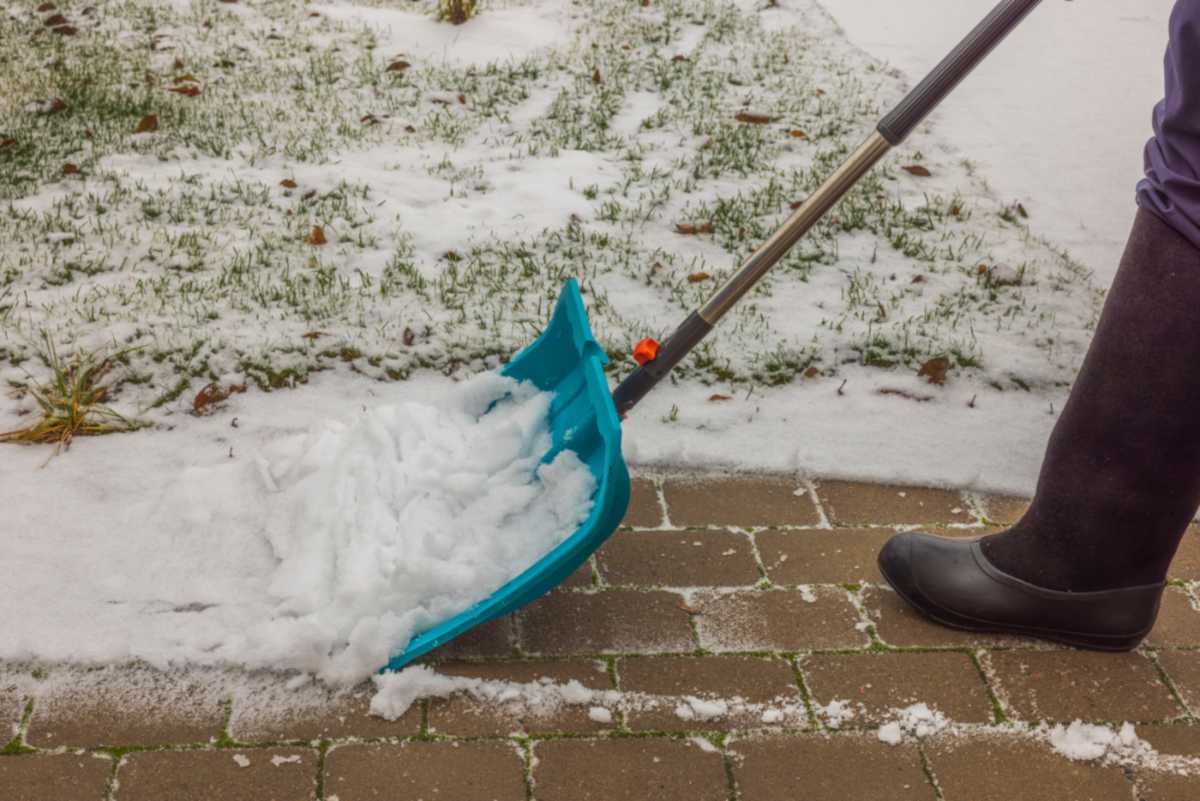
- Gentle Shoveling: When shoveling snow, try to be gentle and avoid scraping the grass beneath. Use a plastic shovel instead of a metal one to reduce the risk of damaging your lawn.
- Professional Snow Removal Services: For larger areas or commercial properties, consider hiring professional snow removal services. At Blue Sky Hardscapes & Irrigation, we offer reliable commercial snow removal to keep your walkways, driveways, and parking lots clear and safe.
Winter Lawn Care and Maintenance
Even though your lawn goes dormant in the winter, it still needs some care to ensure it stays healthy.
- Monitor Ice and Snow Buildup: Keep an eye on areas where ice and snow tend to accumulate. Heavy snow can damage grass, so it’s essential to distribute it evenly when shoveling. Additionally, avoid piling snow in one area as it can lead to ice patches that smother the grass.
- Salt and De-icer Use: Be cautious with the use of salt and de-icers, as they can harm your grass and soil. Opt for eco-friendly or pet-safe de-icers that are less damaging to your lawn.
- Inspect for Damage: Regularly inspect your lawn for signs of damage or disease. Winter conditions can sometimes lead to issues like snow mold, which appears as circular patches of dead grass. If you notice any problems, address them promptly to prevent further damage.
Transform Your Lawn This Winter
While you can handle some aspects of lawn care yourself, partnering with a professional like Blue Sky Hardscapes & Irrigation can ensure your lawn receives optimal care throughout the year. We offer comprehensive lawn care and maintenance programs that include fertilization, aeration, weed control, and more. Contact Blue Sky Hardscapes & Irrigation today to schedule a consultation and learn more about our lawn care, snow removal, and commercial snow removal services. Let us help you keep your lawn healthy and beautiful all year long.
More Winter Lawn Care Inspiration
Frequently Asked Questions about Winter Lawn Care
Snow mold is a cold-tolerant fungal disease that develops under a heavy blanket of snow, especially when the snow falls on ground that isn't fully frozen or over long, un-mowed grass. It appears as pinkish or grayish matted patches when the snow melts in spring. While it rarely kills the roots, it severely damages the grass blades and delays your lawn's natural spring green-up.
It is best to avoid walking on your lawn when it is frozen or snow-covered. When grass blades are frozen, they lose their natural flexibility. Walking on them fractures the frozen plant tissue and compresses the cold soil, which can leave dead, brown footprints across your yard that take months to recover in the spring.
Yes, significantly. Standard rock salt (sodium chloride) pulls moisture away from plant roots and alters the soil chemistry, which can stunt or kill the grass along your walkways. To protect your lawn and hardscapes, look for eco-friendly or lawn-safe alternatives like calcium chloride or potassium chloride, and use them sparingly near the edge of your turf.

About the Author: The Blue Sky Design Team
With over 25 years of experience in custom landscape and hardscape construction, the experts at Blue Sky Hardscapes & Irrigation are dedicated to transforming challenging Colorado terrains into breathtaking, turnkey outdoor sanctuaries.