Comparing Asphalt vs Brick vs Concrete

The Blue Sky Quick Answer

Denver metro homeowners looking to upgrade a cracked, unappealing driveway often find themselves overwhelmed by the choice between traditional paving materials. Colorado’s brutal winter freeze-thaw cycles and intense summer sun place demanding performance expectations on any driveway surface. Searches for “asphalt vs concrete driveway cost Denver,” “brick paver driveway durability,” and “best driveway material Aurora” are steadily climbing as residents look to balance short-term installation budgets with long-term structural integrity.

Understanding how asphalt, brick, poured concrete, and interlocking concrete pavers handle weight, weather, and maintenance is key to choosing an option that maximizes your home’s curb appeal and long-term property value.

Asphalt Economy:

Offers a highly cost-effective initial price tag and clean look, though it demands regular sealing and is highly susceptible to weathering and edge cracking.

Classic Brick Customization:

Provides beautiful historic charm and tailored patterns, but its concrete-and-mortar foundation remains vulnerable to cracking under heavy vehicle weights.

Poured Concrete Versatility:

Balances form and function with a moderate price point and design options like stamping, but surface cracking remains an inevitable issue handled by pre-cut expansion joints.

Concrete Paver Excellence:

Represents the ultimate long-term investment, delivering unmatched strength, individual block replacement, and endless texture varieties that easily withstand extreme temperature swings.

Table of Contents

If it’s time to upgrade your unsightly driveway, you may be feeling overwhelmed by your options. Fortunately, Blue Sky Hardscapes & Irrigation is here to eliminate the guesswork. We’re here to explore asphalt vs concrete vs brick driveway design to empower confident and informed investments.

Understanding Your Options

When it comes to repaving a driveway, you have options. However, not every option works for every home type. That’s where Blue Sky Hardscapes & Irrigation comes in. Leveraging extensive expertise, we’re here to highlight the features, advantages, and drawbacks of each material option to set you on track toward your most successful driveway upgrade.

Asphalt Driveways

Classic and economical asphalt driveways are a preferred choice for homeowners nationwide. This traditional material sits at approximately $4 per square foot, making it an affordable option for those with compact or expansive driveways. However, while initially more budget-friendly, asphalt requires slightly more upkeep than alternative materials.

The Advantages of Asphalt

The popularity of asphalt driveways is largely attributed to its appealing price tag. If you’re working with a strict budget or you have a large-scale surface to cover, asphalt is a cost-effective and affordable material option. Moreover, when properly laid, asphalt offers a sleek and cohesive look.

The Drawbacks of Asphalt Driveway Paving

There are several drawbacks to asphalt driveways to consider. Despite its appealing price tag, asphalt is not very weather-resistant, making it prone to cracks and premature wear. While these blemishes can be avoided, sufficient maintenance adds to your overhead.

a car driving on a driveway

Brick Driveways

Brick driveway designs are built on top of a 4-inch concrete foundation and secured using mortar. If aesthetic appeal is a leading priority for you, this unique style can be achieved for about $30 per square foot. However, if your driveway is prone to high-volume activity and heavy vehicles, brick driveway paving may not be ideal.

The Advantages of Brick

The primary advantage of brick driveway paving is the ability to customize the look of your property. Unlike classic asphalt, which offers very little personalization, bricks can be laid in various patterns and styles. This makes brick driveway paving an enticing option for homeowners seeking to boost their properties’ curb appeal.

The Drawbacks of Brick Driveway Paving

In contrast to brick homes that are notoriously durable, brick driveway paving is fragile. The concrete and mortar foundation that supports these driveways is susceptible to cracks and damage when exposed to excess weight. This causes higher maintenance demands that can turn your statement piece of a driveway into a financial burden.

Ready to replace that cracked concrete or failing asphalt?

Upgrade your home’s value and curb appeal with a premium, engineered concrete paver driveway. Our local design-build team manages the entire process from custom 3D layouts to a flawless, weather-resilient installation.

Driveway Pavers in Aurora & Denver

Concrete Driveways

Concrete driveway paving involves a detailed surface preparation process followed by a poured concrete application. To achieve a more custom design, you may also opt for stamped concrete, which allows you to replicate the look of paver stones. The cost of concrete driveway paving starts at around $7.50 per square foot and rises depending on your cosmetic objectives.

The Advantages of Concrete

Concrete driveways have many cosmetic advantages. Concrete driveways offer versatility, allowing you to strike a balance between form and function with an endless selection of customizable designs. In addition to the aesthetic benefits, concrete driveways are moderately priced and call for slightly less tedious maintenance than brick or asphalt.

The Drawbacks of Concrete Driveway Paving

The advantages of concrete driveways come at the expense of a higher risk of damage. Concrete damage is so inevitable that contractors will install these surfaces by strategically placing expansion joints to direct the formation of cracks. Concrete is also prone to chips, which are challenging to remedy without unsightly patchwork.

Paver Stone Driveways

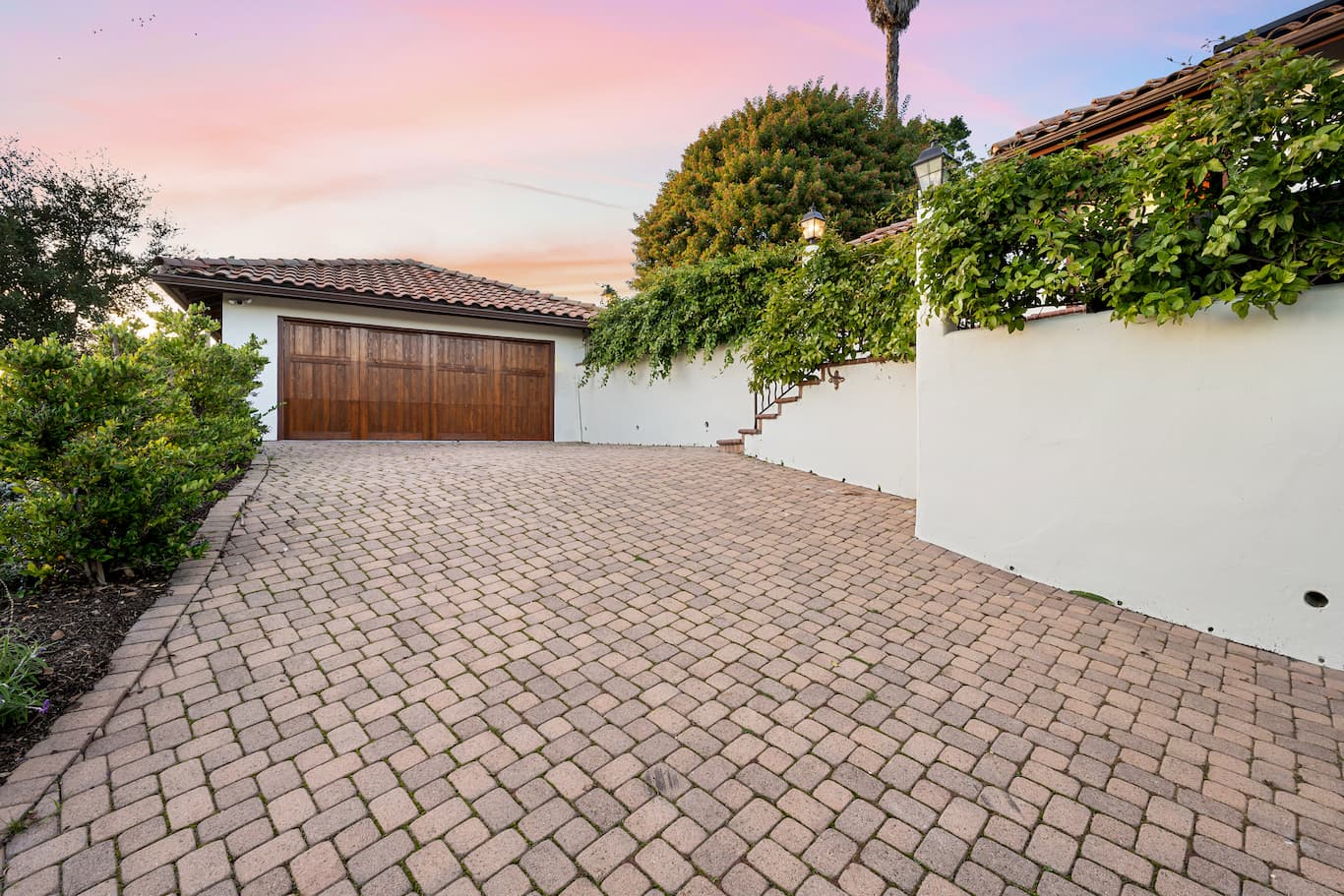
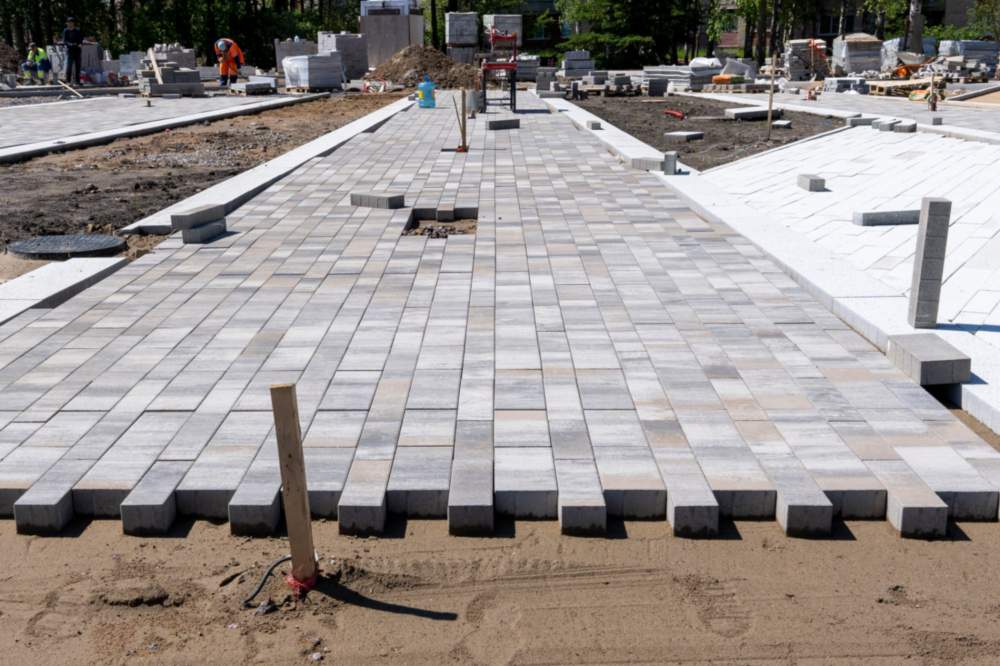
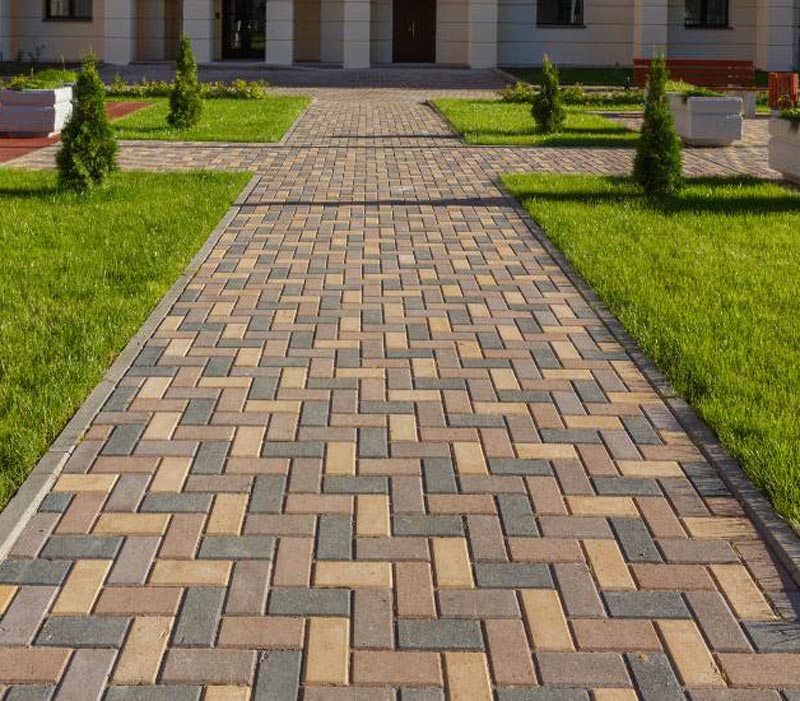
The final driveway material option is concrete paver stones. In recent years, concrete paver driveways have gained incredible traction. These designs are crafted using a selection of interlocking paver stones that, when joined together, create a robust driveway surface. Starting at approximately $8.50 per square foot, paving stone driveways are both cost-effective and long-lasting.

The Advantages of Paver Stones

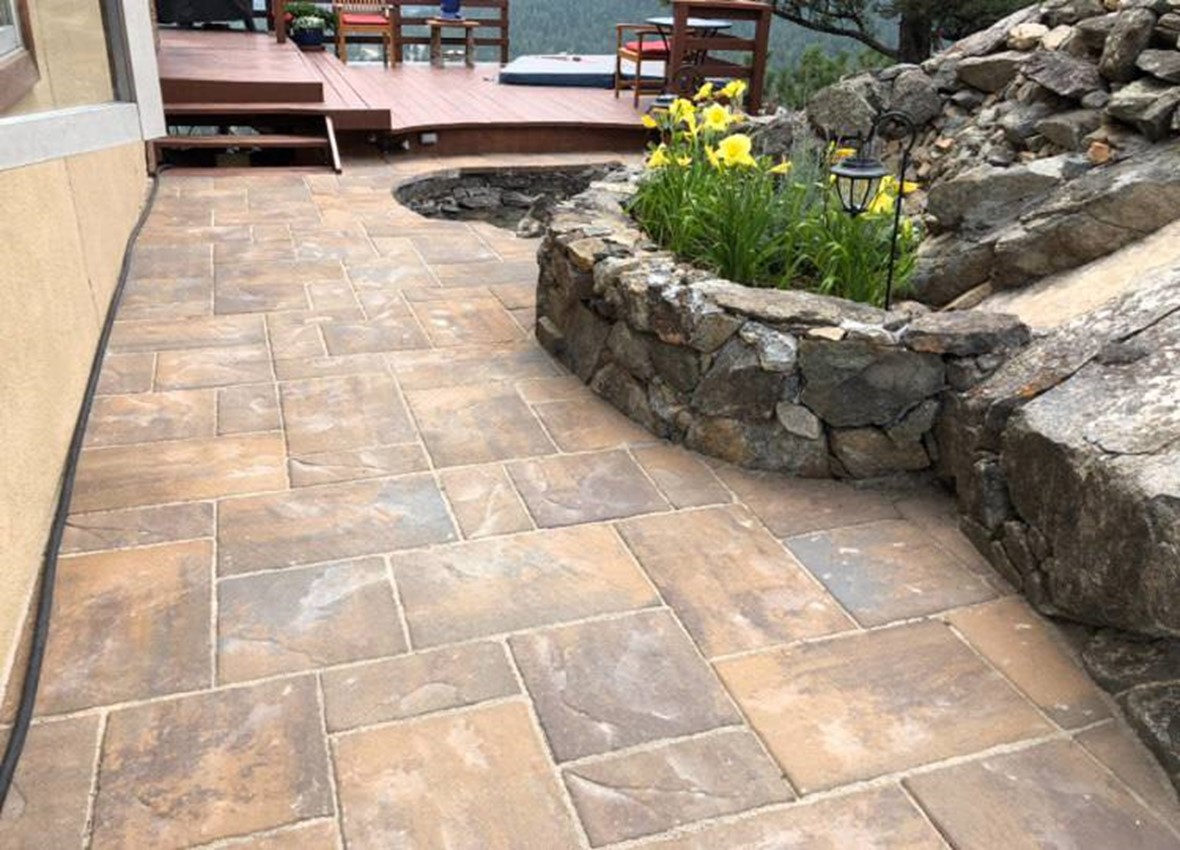
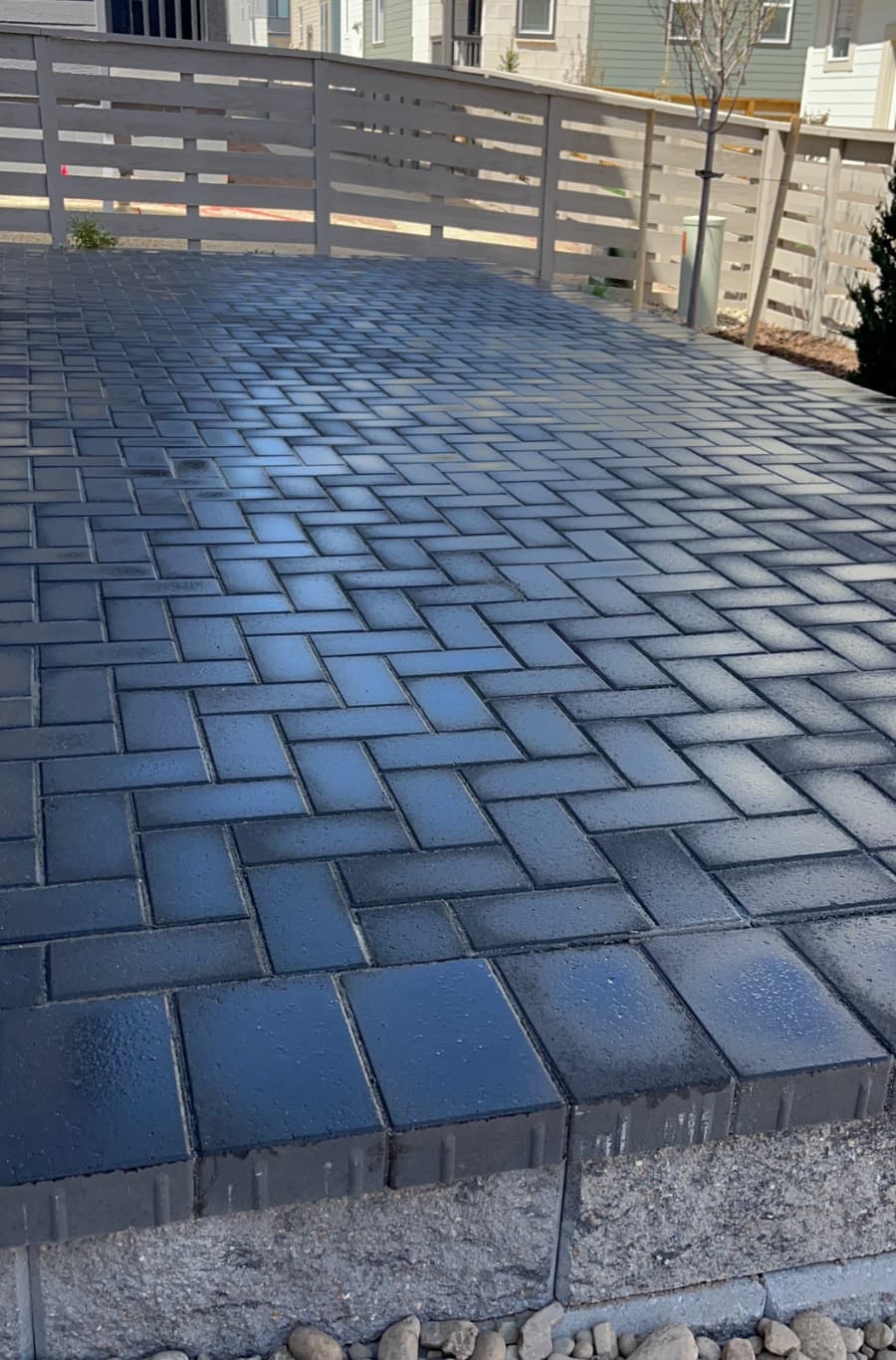
Concrete paver stone driveway paving is an excellent investment for virtually any homeowner seeking longevity, beauty, and extended performance. With an array of colors, styles, textures, and patterns, paving stone driveways offer many customization options. As an added benefit, with their interlocking design, paver stones can be easily repaired or removed as needed without altering the entire driveway.
The Drawbacks of Paver Stone Driveway Paving

Paver stone driveways check almost all of the boxes. They are durable, long-lasting, customizable, and require minimal maintenance compared to other material options. The only drawback of these paving upgrades is the cost. While they are not the most expensive, they are also not the most affordable, especially for those covering large surfaces.

How to Choose the Right Material

Choosing the right hardscaping material comes down to understanding your needs and identifying your priorities. When deciding between concrete vs asphalt vs brick, we encourage customers to consider the following:


  • Initial budget and future upkeep expenses
  • Short- and long-term maintenance demands
  • Style preferences and customization objectives
  • Projected driveway size

Let’s Discuss Your Driveway Paving Decision

Don’t settle when it comes to an upgrade as significant as driveway paving. Empower your investment with knowledgeable guidance and personalized recommendations with Blue Sky Hardscapes & Irrigation. To learn more about choosing the right option for your home, contact our friendly team today to get started.

Frequently Asked Questions About Driveway Pavers

Asphalt is an oil-based product, making it softer and much more sensitive to extreme temperature changes. Under Denver's intense UV rays and severe freeze-thaw cycles, asphalt dries out, becomes brittle, and easily cracks or develops potholes. To prevent water from seeping in and destroying the driveway base, it must be seal-coated every 2 to 3 years, creating higher long-term maintenance demands compared to concrete surfaces.

Standard clay bricks laid over a typical mortar-and-concrete base are relatively fragile compared to modern alternatives. When subjected to the localized, high-volume weight of heavy modern vehicles, the mortar joints can crack, causing individual bricks to loose structure, shift, or break. For high-traffic driveways, interlocking concrete paver stones are a much more durable choice.

Poured concrete forms a single, massive slab that is rigid and practically guaranteed to crack over time as the ground shifts during Colorado winters. Concrete paver driveways are made of high-density individual stones fitted tightly together over a flexible gravel base. This allows the entire driveway surface to flex and breathe naturally with the soil without cracking, while offering much higher load-bearing capacity.

blueskyinsyntrix

About the Author: The Blue Sky Design Team

With over 25 years of experience in custom landscape and hardscape construction, the experts at Blue Sky Hardscapes & Irrigation are dedicated to transforming challenging Colorado terrains into breathtaking, turnkey outdoor sanctuaries.